
Sleep & Snoring Aids

Aid White Noise Smart Handheld Sleep Device New Microcurrent Relaxation Stress Relief Artifact Exclusive

Pagalbinis mieguistas laikrodis EMS greito miego poilsio hipnozė nemiga artefaktas apyrankės laikrodis nuo nerimo nemigos hipnozės prietaisas

EELHOE Open Breathing Close Mouth Anti Snoring Care Sleep Adult Snoring Stop Mask

Cross-Border New Product Smart Aid Electric Sleep Handheld USB Portable Stress Relief Device Microcurrent Machine
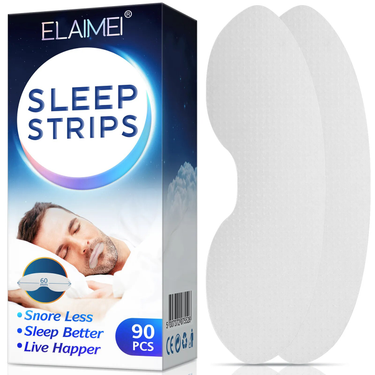
Elaimei Anti Snoring Sleeping Strips Disposable Soft Tape For Better Nose Breathing Reduce Mouth Dry Throat Pain

Ximonth Essential Oil Goodnight Patch Pamper Helps To Fall Asleep Quickly And Relieves Body Stress, Fatigue And Discomfort Sleep Patch

1Pc Stop Snoring Child Belt Anti Apnea Jaw Solution Support Woman Man Sleeping Personal Health Care Tools
EELHOE Open Breathing Close Mouth Anti Snoring Care Sleep Adult Snoring Stop Mask

Rankinis išmanusis pagalbos prietaisas, sunkios nemigos, mikro srovės impulsinis miego masažo prietaisas

15 greičių nešiojamas miego aparatas su ekranu, skirtas naudoti namuose, išmanus nešiojamas pulsuojantis raminamasis ir masažinis prietaisas

Smart Device Insomnia Artifact Aid Calm Sleep Improve Promote Severe Deep Portable

New Smart Device Handheld Microcurrent Pulse Calming Deep Sleep Aid Magic Tool

„South Moon“ 12 vnt. miego pleistrų namams. Švelni priežiūra miego kokybei gerinti. Kasdienės kūno priežiūros pleistrai.

Magnetinis nuo knarkimo įtaisas, stabdantis knarkimą, nosies spaustukas Lengvas kvėpavimas, pagerinantis miegą Apnėjos apsaugos naktinis prietaisas su dėklu 1/2/4 vnt.

„South Moon“ miego priežiūros pleistras. Atpalaiduokite kūną ir protą, miego priežiūros pleistras.

„South Moon“ burnos apsauga nuo knarkimo, apsauga nuo knarkimo, naktinis burnos apsauga nuo knarkimo, apsauginė burnos apsauga

Pietų Mėnulio miego pleistras malšina nuovargį, atgaivina protą, padeda užmigti, gerina miegą ir gydo nemigą, stebuklingas sveikatos pleistras

South Moon ventiliacinis nosies pleistras koreguoja burnos kvėpavimą, apsaugo nuo knarkimo, apsaugo nuo knarkimo, fiziškai plečiasi nosies pleistras apsaugo nuo knarkimo

„South Moon“ juosta nuo knarkimo, kvėpavimas per burną, apsauga nuo knarkimo, fizinio išsiplėtimo juosta nuo nosies, juosta nuo knarkimo
Sleep & Snoring Aids: 5 Ways to Sleep Quieter and Wake Fresher
You know that moment — the room is quiet, everyone’s drifting off, and suddenly the sound begins. At first, it’s just a low hum. Then it grows. The blanket rustles, someone sighs, and another night’s peace quietly slips away.
If you snore, you’ve probably tried to joke about it. But deep down, you know how frustrating it feels — waking up groggy, throat dry, and your partner halfway across the bed. The good thing is, you don’t always need medical devices or complex solutions. Sometimes, it’s about finding small, simple habits that let your body breathe the way it wants to.
Try Sleeping on Your Side — The Easiest Change That Works
Back sleeping feels comfortable, but it’s also the position most likely to trigger snoring. When you lie flat, gravity pulls your tongue and soft palate backward, narrowing your airway. The fix? Learn to side-sleep.
Start with a side-sleep pillow that gently supports your head and keeps your spine aligned. Look for one with memory foam or contour shaping, so your shoulder doesn’t sink and your neck stays relaxed. A slight elevation under your chin can also help your jaw stay in a more open position, keeping air moving smoothly.
If you tend to roll back during sleep, try hugging another pillow or using a small back-support cushion to keep you comfortably turned to the side.
Clear the Nose, Calm the Sound
Sometimes the snoring isn’t really from the throat — it’s from your nose struggling to pull air through. If you’re congested, your body switches to mouth breathing, and that’s when the noise starts.
A simple nasal strip for snoring can do wonders. It gently lifts the sides of your nose, helping you breathe more freely without forcing anything. Apply it just before bed on clean, dry skin. If your room tends to feel dry or dusty, that can also make things worse — a bedroom humidifier adds light moisture to the air, so your nasal passages stay comfortable through the night.
It’s a small environmental tweak, but many snorers notice an improvement within days.
Strengthen What Supports You
Snoring can also come from weak mouth or throat muscles that relax too much during sleep. You don’t need special workouts — even chewing slowly or singing regularly can help strengthen the area.
An anti snore mouthpiece (non-medical type) can also be a gentle trainer. It slightly adjusts your jaw’s position, keeping your airway open and helping your body learn better breathing posture over time. If you try one, look for soft materials and an adjustable fit. The goal isn’t pressure — it’s subtle guidance.
Pay Attention to the Little Things
Your evening routine plays a quiet but powerful role. Heavy dinners, alcohol, or staying up late all tighten the cycle of poor sleep and louder snoring. A lighter meal, some stretching, and good hydration go a long way.
If you like tracking your progress, smart health watches can give helpful insight into how often you wake or change positions during the night. You don’t need to obsess over the data — just use it to understand what helps you rest better.
Make Your Bedroom a Breathing Space
Snoring often gets worse in dry or stuffy rooms. Clean your pillow covers regularly, avoid overly soft mattresses that sink your neck, and keep the air fresh. Scents like lavender or eucalyptus can also create a calmer breathing rhythm before bed.
If you share your bed, keeping a steady temperature and soft airflow benefits both of you — less tossing, more rest.
Know When to Ask for Help
Most mild snoring can be managed with these small lifestyle adjustments — sleep position, nasal comfort, and simple tools that help your breathing stay open. But if you’ve tried for a few weeks and still feel constantly tired, or your snoring seems to come with pauses in breathing, it’s time to speak to a doctor or sleep specialist.
Sometimes, snoring is just your body’s way of saying: “I need a little help.”
Sleep Is Personal — So Is Comfort
You don’t have to “fix” yourself overnight. Start small. Try a better pillow, open your airways, keep your room cozy and hydrated. The goal isn’t silence — it’s comfort, for you and everyone who shares your nights.
Because the sound of good sleep isn’t total quiet. It’s the sound of steady, peaceful breathing.
 4.4 iš 5, remiantis 9,249 atsiliepimais